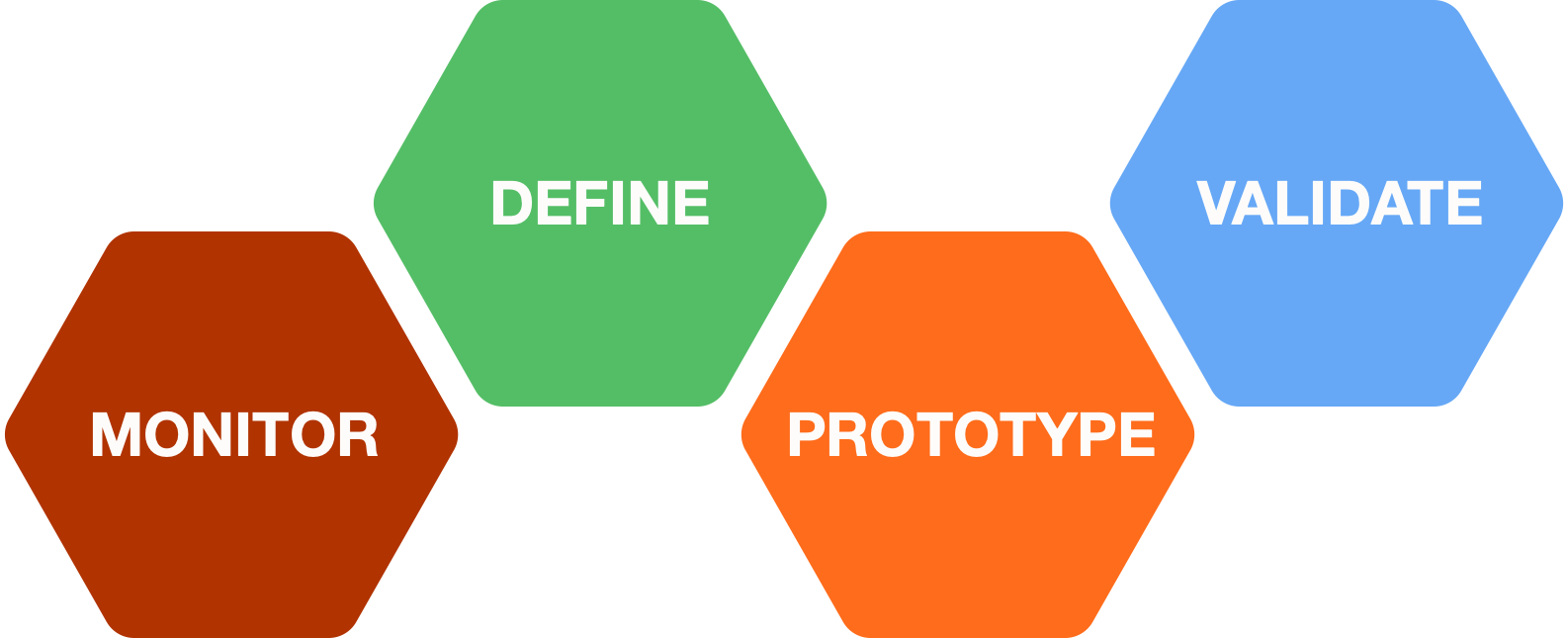
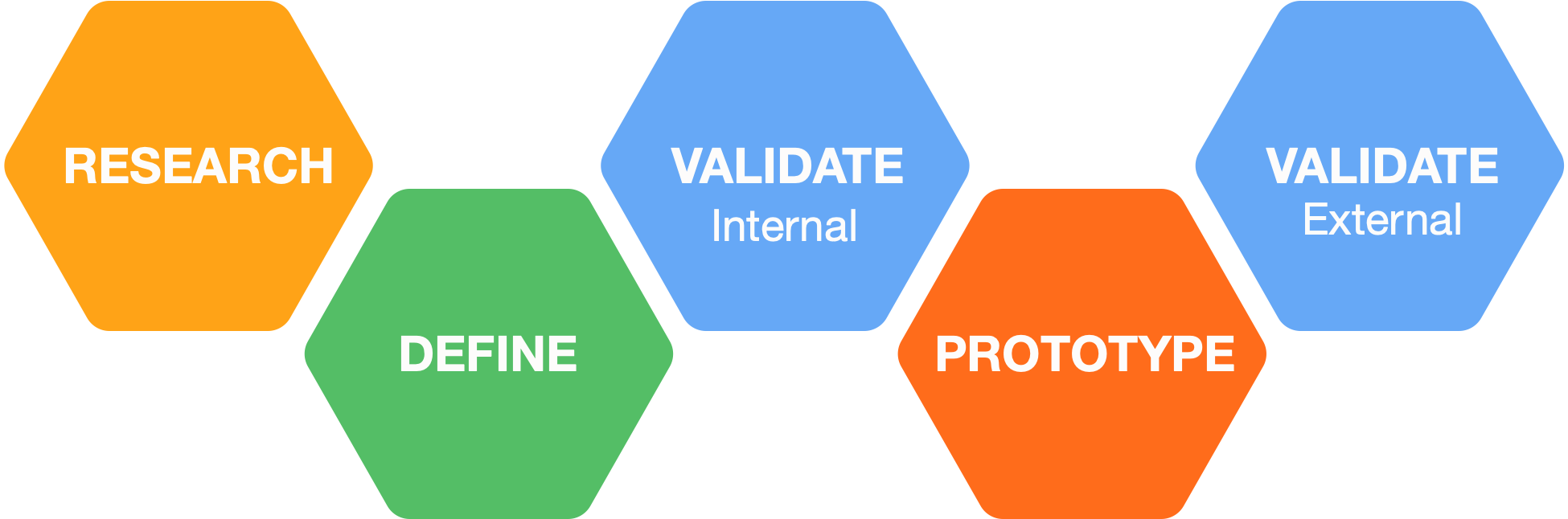
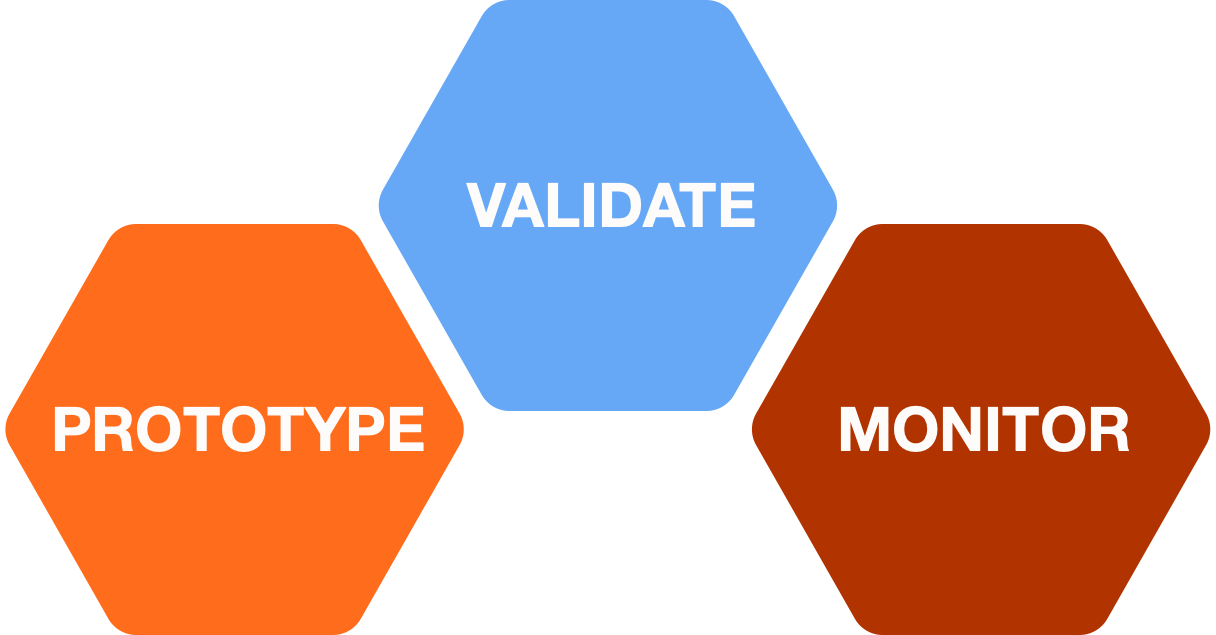
Whether the project is 0-to-1, MVP to Ideal, in ‘maintenance mode’ or something in between. I have a suite of methods in my toolbox to help teams deliver what is needed.
Sized to fit
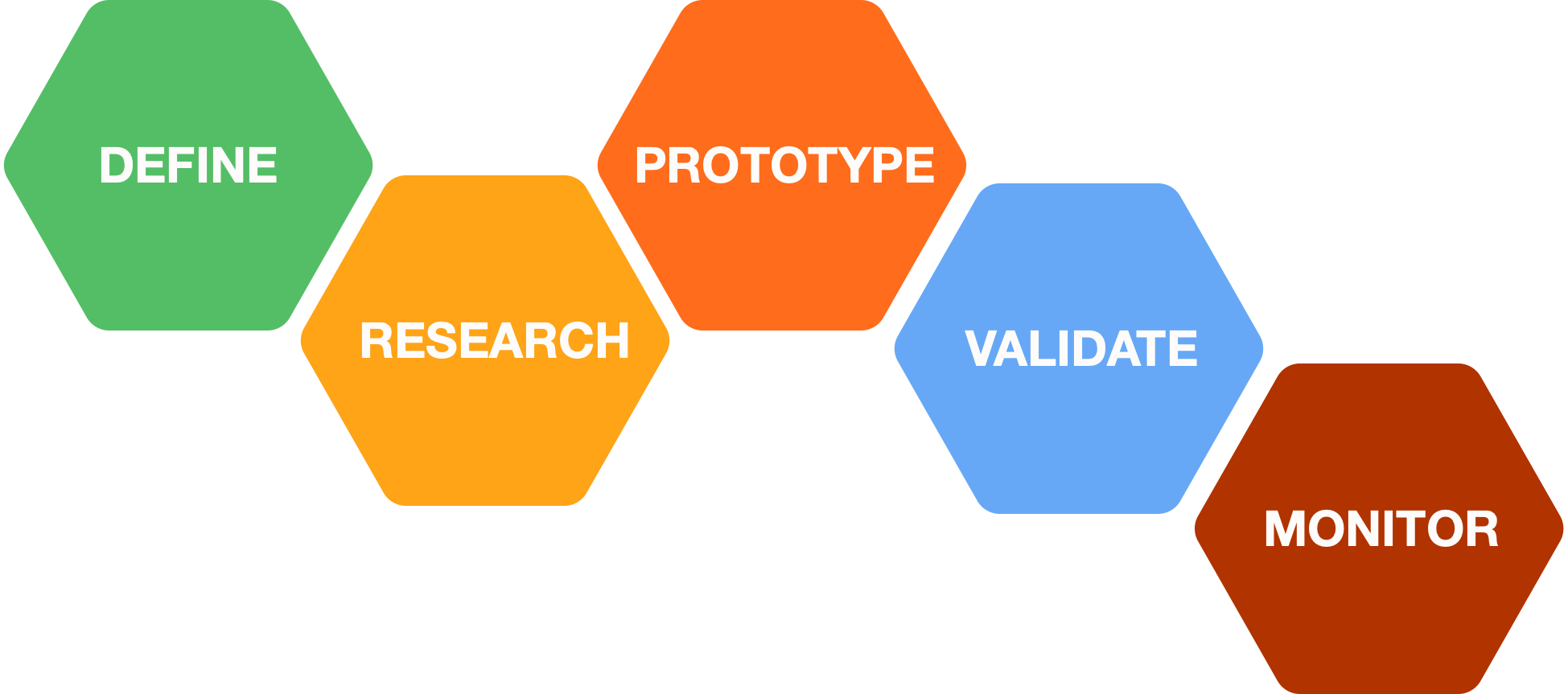
Background | Problem | Proposal
Castles in the clouds have no foundation.
- Create a singular Northstar for Development, Product & Marketing so everyone is marching to the same beat
- Building alignment around the Jobs To Be Done frames the product from the user’s perspective
- Stage progress towards implementation with Feature DNA docs
- PM & UX can then define and build consensus with MVP, V1 & Ideal States
Artifacts: Vision statement, Product DNA document, Lofi mocks, Feature DNA documents
Personas | Goals | Pains
While internal domain knowledge is often sufficient to initiate a project. Assumptions need to be validated.
- Engage customers early: Lead with the vision, show customers high level ‘ideal state’. Ask ‘What is stopping you from pressing the Apply button?’
- Formal Interview: I use a fixed set of general Questions for feature prioritization, work with Marketing and PM to refine the Jobs To Be Done
- Informal Interviews: Understand the user’s current Pains, who they interact with, what theFuture Gains.
- Co-design: Nemawashi, CARD
Artifacts: User roles and goals statements, Service Diagrams. Workflow diagrams (CARD), Interactive mockups, Revised DNA documents
Abstract | Lofi/Hifi | Interactive
The earlier feedback comes in, the sooner a team knows if they’re on the right track and what the target deliverable looks like.
- Diagrams: A universal ‘language’ that everyone from users to senior stakeholders can interpret and ‘View the forest through the trees’
- Lofi mocks: Consensus building, Internal testing, Initiate collaboration with FE Dev
- Hifi mocks: External testing, Collaboration with Marketing & Doc,Spec ready
- Interactive Prototypes: I like to get FrontEnd rolling as quickly as possible while minising the risk of re-work. Getting users hands on experience with real data will derive the best feedback.
Artifacts: Vision storyboards, Service diagrams, Wireframes, Hifi Figma mocks.
Assumptions | Moderation | Fidelity
Leverage internal domain knowledge. Validate assumptions with fresh external eyes. Be prepared to ‘kill the idea’
- Internal: There is so much to leverage from moderated testing with stakeholders. The next stage is un-moderated testing with Field Engineers
- External: I like to start initial engagements (ideally sales calls) with service diagrams and ‘conceptual’ mocks to get feedback. The follow up by testing with functional prototypes.
- Objectivity: It is critical to be prepared to walk away from the time and energy invested in a concept if the feedback is not resonating.
- Results: I provide teams with scale to fit proposals based on the testing. Critical must fixes, MVP proposals based on target customer feedback and ideal state solutions that are based on competitive analysis.
Artifacts: Customer interviews with invites for the entire team where appropriate, User recordings & quotes, Github issues, feature prioritization.
Instrument | Re-evaluate | Simplify
Nothing is ever perfect first time
- Monitor: Instrument the shipped product with tools such as Rudderstack, Fullstory, etc.
- Inform: Create a feedback loop with stakeholders to plan out roadmap prioritization
- Improve: Work with Development to reduce Code debt and incorporate UX enhancements.
Artifacts: Reports from instrumentation tooling, Analysis reports from ongoing customer feedback. Revised mocks & specs. regular GH refinement meetings.
Perfect is the enemy of done!
At the core of my design philosophy is my pragmatic engineering background and a practiced understanding of the development triangle’s fixed constraints.
- Quality takes Time
- Time costs Money
- Money leads to Quality (usually)
Need to get to market fast? I can help define an MVP that will work for core customers. Want to a lay out a strategic path for the organisation, I excel at vision work. Design is not just about the pixels, its about defining the problem space, building consensus and executing on a plan